
About Claire Sully
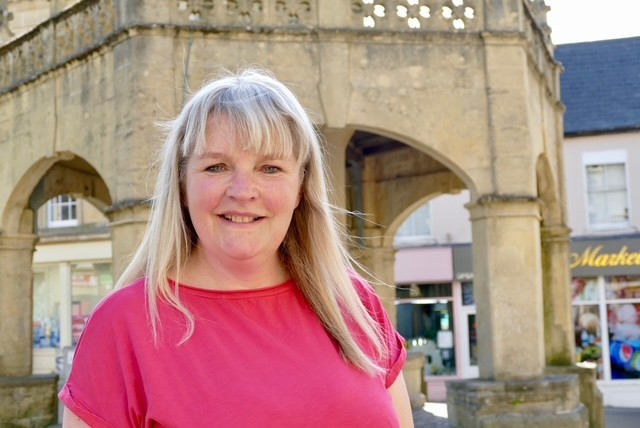
Claire Sully has spent over two decades building technology and campaigns that bring communities together — and grew up in economically challenged parts of Somerset, an experience that shaped everything she's done since.
Claire believes real power for change sits with grassroots communities, not Westminster or committee rooms. Her work has consistently focused on the things too often left behind: mental health, community safety, fairness for people regardless of background or circumstance, and building communities resilient enough to look after their own. She brings that same drive to winning campaigns and delivering for residents.
Claire's track record:
● Submitted evidence to Baroness Casey's Independent Commission on Adult Social Care, drawing on her work founding One Front Door for Care, an initiative connecting people needing support with properly trained, fairly paid, self-employed carers
● Chair, Somerset Council Lib Dem ruling Group — 62 members, largest Lib Dem group outside Parliament
● Associate Lead Member for Community Resilience — a new role, appointed by the Leader of the Council in May 2026
● Contributed to national Lib Dem mental health policy, Spring Conference 2026
● Liberal Democrat Parliamentary Candidate, Bridgwater, 2024 — grew vote share
● Stopped EDF from flooding Pawlett Hams, working with local community — became a template for a similar campaign in North Somerset
● Forced First Bus to reverse the 174 service cuts
● Led the NHS Somerset community hospital transparency campaign
● Forced a Government U-turn on a US family's immigration case
● Raised the profile of suicide prevention at Somerset Council
● Helped to deliver significant road safety improvement for many of her communities, since being elected
This is ongoing work, not a finished record. As Associate Lead Member for Community Resilience, Claire is currently helping to make sure Somerset's experience — one of the fastest-ageing populations in the country, and a council that has had to declare a financial emergency driven largely by social care costs — shapes the national conversation on what comes next for adult social care in England.